The utility-scale and commercial solar sectors have increasingly turned to the Engineering, Procurement, and Construction (EPC) framework to manage project complexity. Building a large-scale photovoltaic (PV) plant requires meticulous technical harmony, precision material sourcing, and intensive physical labor. A unified solar PV EPC contractor acts as a single point of accountability, shielding asset owners from project fragmentation and costly construction delays.

Precision Engineering and Design Customization
The foundation of any high-performing solar PV plant is its technical design. Experienced EPC contractors do not use one-size-fits-all layouts. They begin by conducting comprehensive feasibility studies, analyzing local satellite solar irradiance data, and assessing specific soil conditions.
Engineers model the electrical architecture to match panel output with optimal inverter sizing. They also design custom racking or tracking layouts that maximize energy generation while safely tolerating localized wind and weather extremes. This rigorous initial engineering phase directly impacts the system’s long-term energy yield and return on investment.
Strategic Procurement and Supply Chain Resiliency
Sourcing components for utility-scale solar farms is highly vulnerable to global trade barriers, component scarcity, and price volatility. Solar modules alone can account for nearly half of the total project budget. EPC firms leverage deep manufacturer relationships and massive purchasing power to secure Tier-1 components at competitive rates.
Beyond cost savings, strategic procurement involves strict quality control. Contractors vet equipment vendors to guarantee that panels, inverters, and tracking systems are fully compatible and backed by strong, enforceable manufacturer warranties. Synchronizing the delivery of these major components is vital to avoiding costly operational downtime at the construction site.
Civil Construction, Grid Connection, and Commissioning
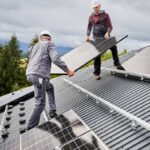
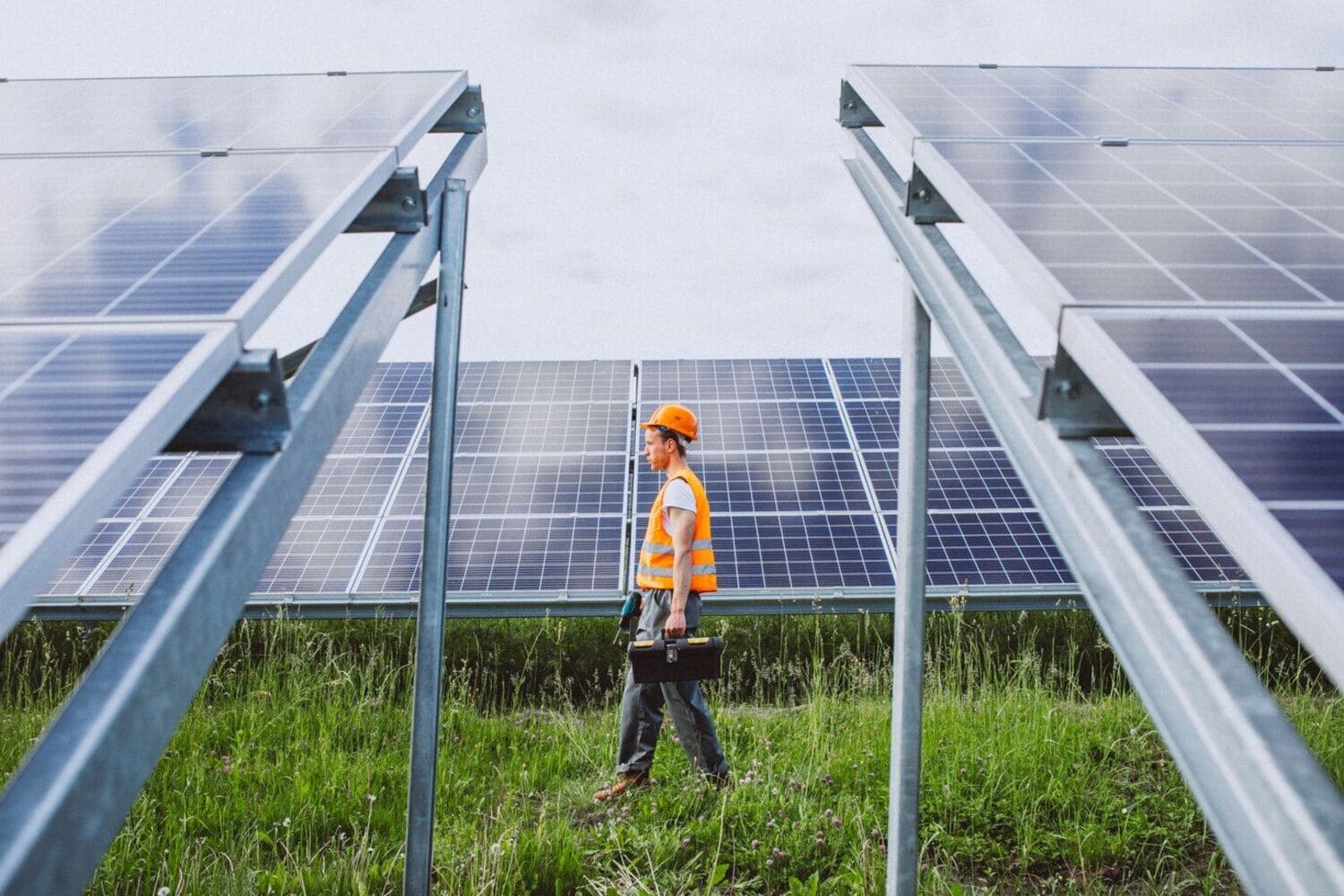
The execution phase brings physical shape to the engineering plans through site preparation, civil works, and mechanical assembly. Labor teams install the foundation posts, assemble the racking structures, mount thousands of PV modules, and complete complex high-voltage electrical wiring. Managing this rapid workflow safely requires strict adherence to regional health and safety regulations.
The final hurdle for any project is grid interconnection, which involves navigating intricate utility regulations and safety testing. EPC contractors handle this entire process, conducting detailed string testing and final system commissioning to earn utility approval. Once the system is certified as functional and safe, it is handed over to the owner as a fully operational, revenue-generating asset.