Project Background & Objectives
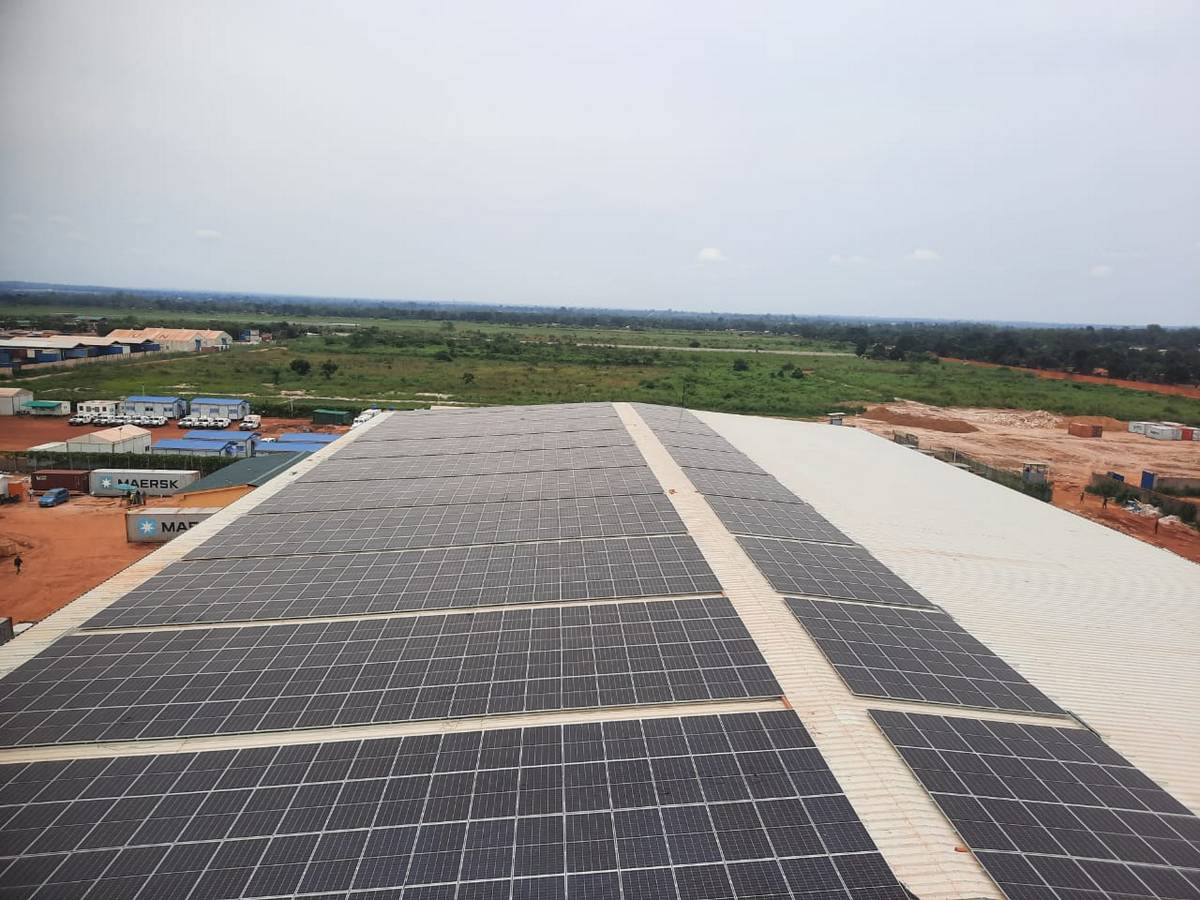
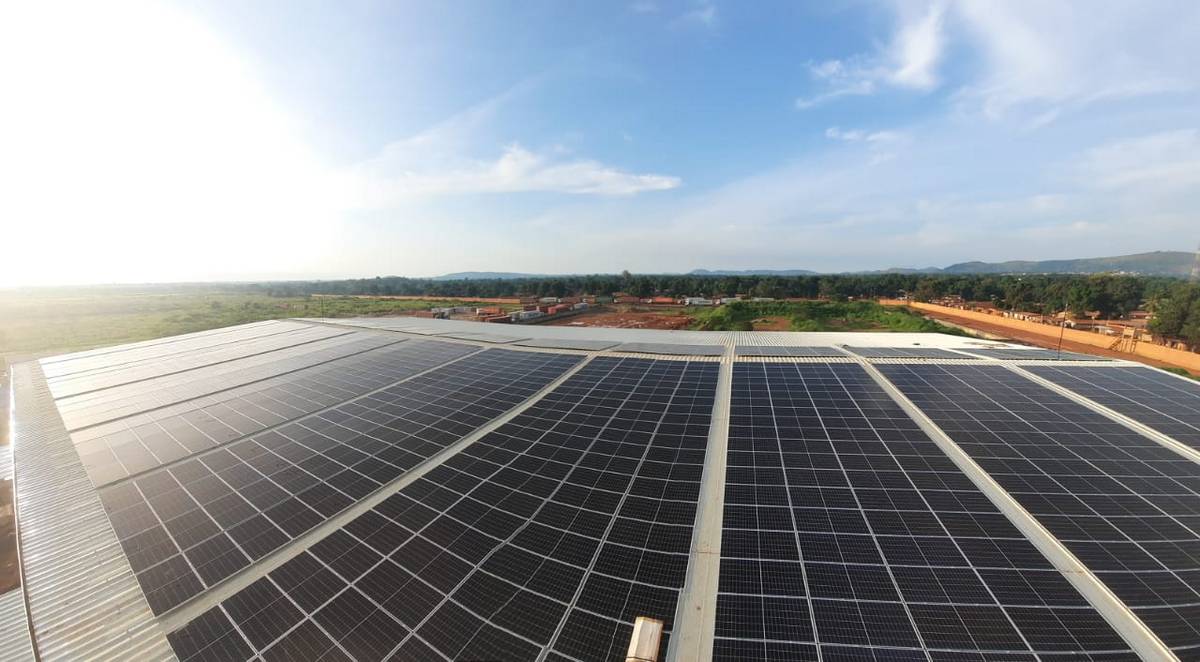
International peacekeeping and humanitarian operations require an uncompromised baseline of energy resilience to protect logistical corridors, secure essential supplies, and maintain active command infrastructure. Operating within a demanding local utility climate, the United Nations Multidimensional Integrated Stabilization Mission in the Central African Republic (UN-MINUSCA) partnered with Sustainable Energy Partners to deploy a massive 605 kWp roof-mounted, grid-tied solar PV infrastructure asset at their primary logistical hub in Bangui. The primary objective of this high-capacity deployment is to integrate clean daytime generation directly into the facility's extensive microgrid network. This transition insulates the mission's foundational energy architecture from unpredictable grid anomalies, minimizes costly fossil fuel logistics, and reinforces the United Nations' global commitment to embedding climate-conscious sustainability into critical field operations.
Operational Challenges & Logistics
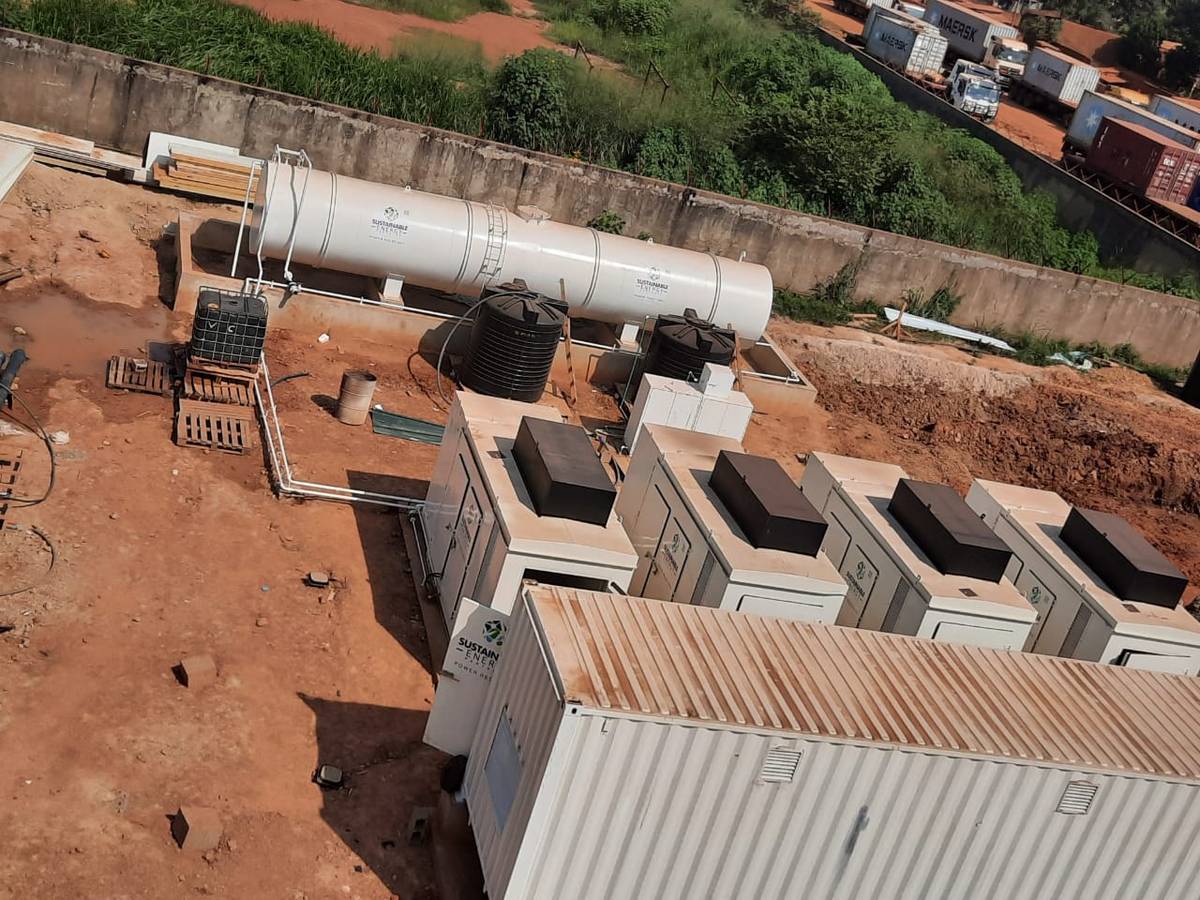
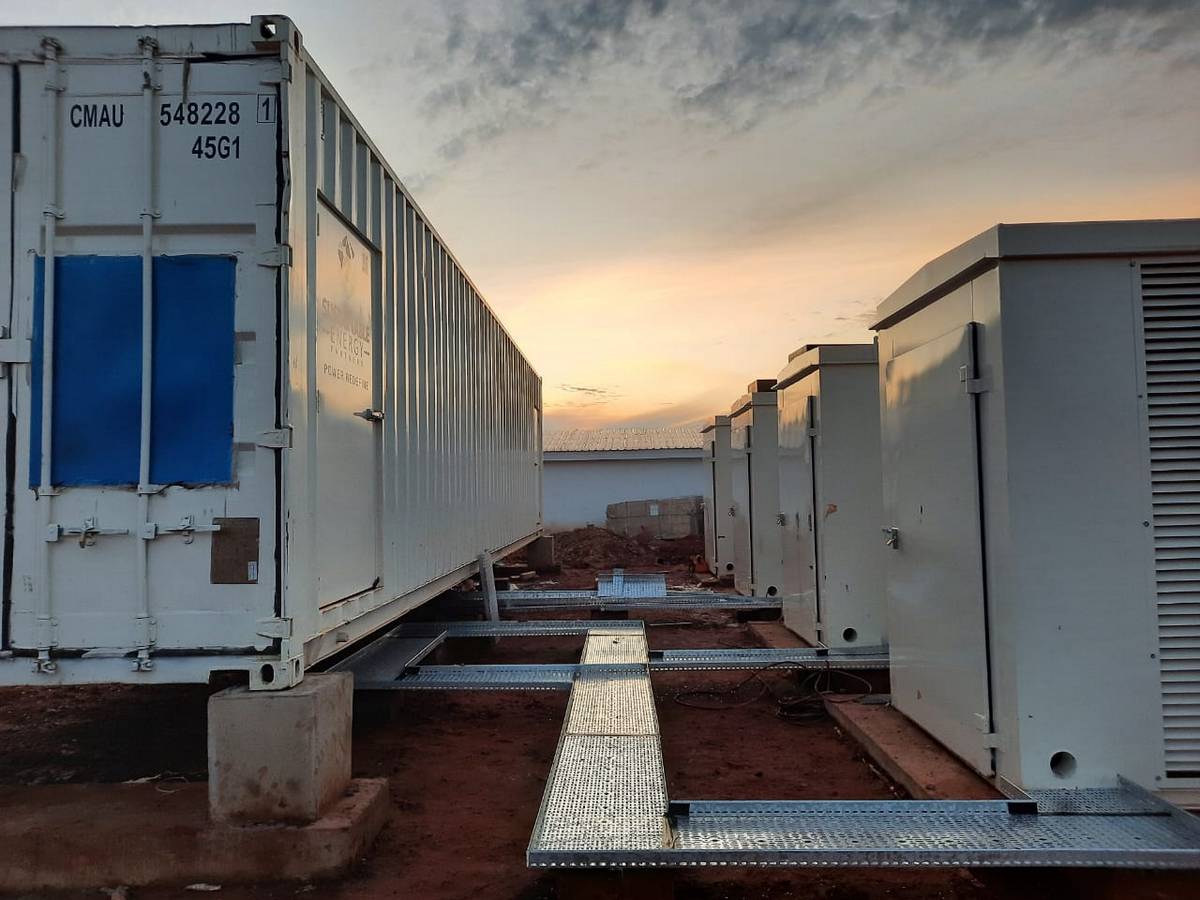
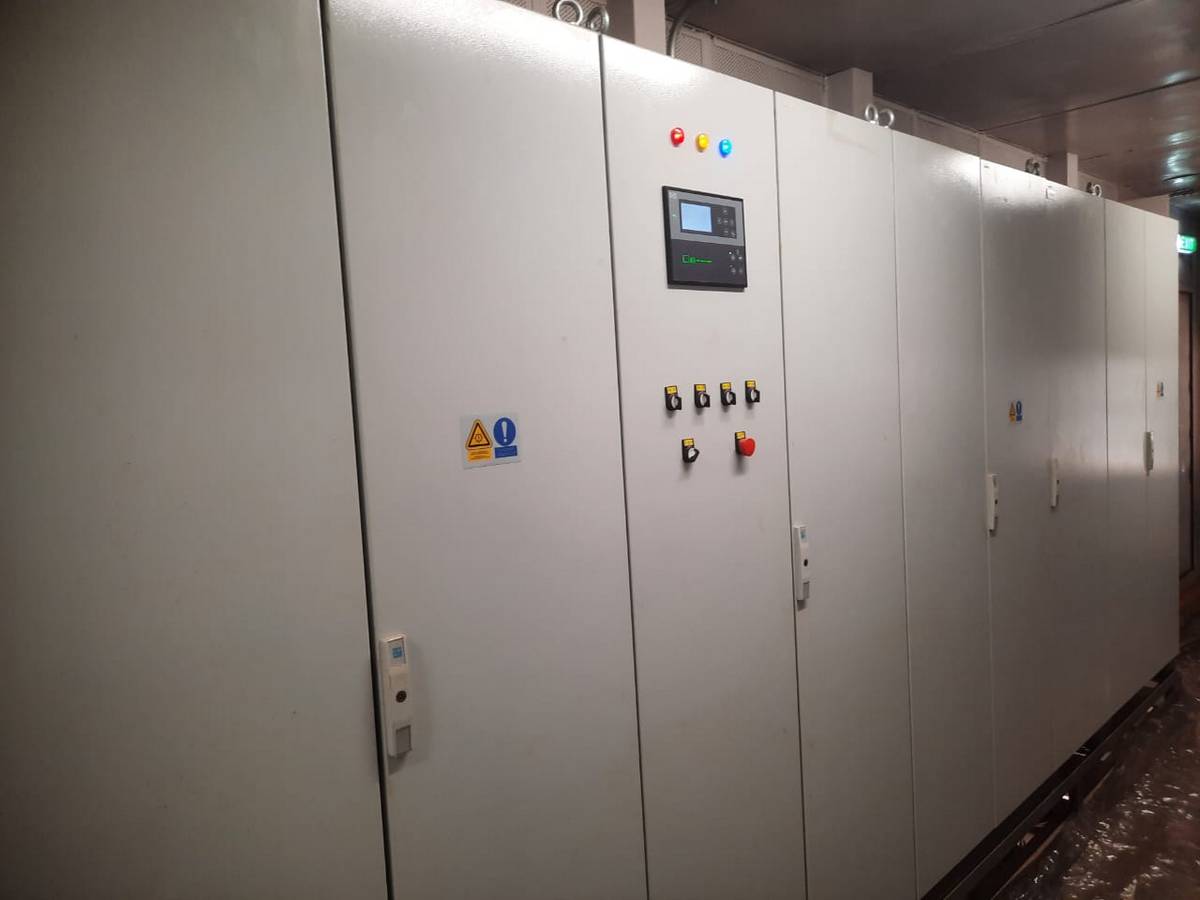
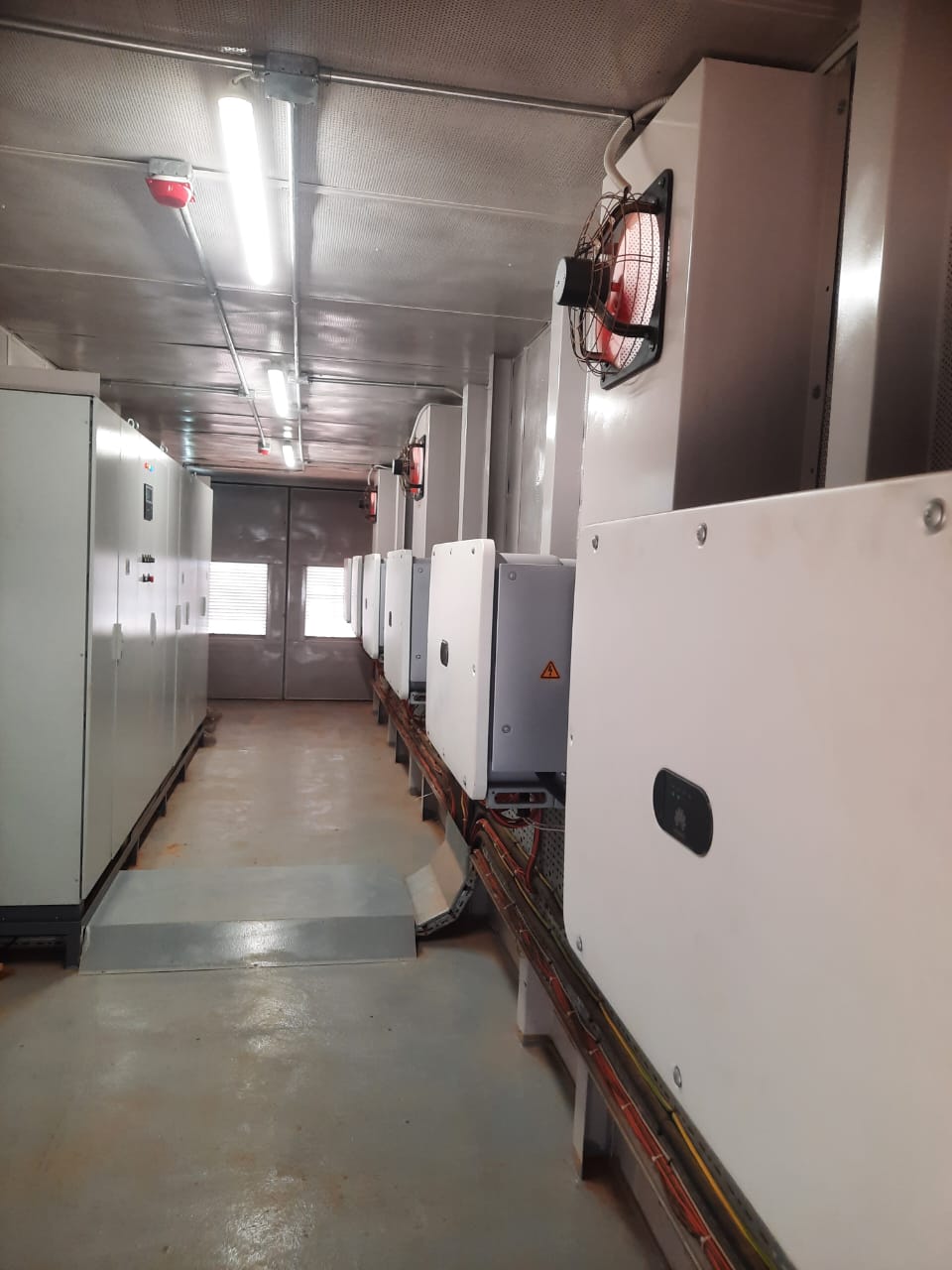
Executing large-scale electrical contracting, heavy engineering, and structural adaptations within an active, high-security UN mission infrastructure introduces rigid logistical and safety parameters. Managing a high-volume roof-mounted structural installation of this scale required detailed structural integrity evaluations of the existing warehouse frames to support the 605 kWp solar array securely. A primary engineering challenge was designing the seamless, dynamic synchronization between the newly deployed solar network and the facility's existing 1,480 kVA diesel generation matrix to prevent system faults or power drops during peak operational hours. The specialized international field crews from Sustainable Energy Partners safely managed all heavy component rigging and microgrid integration without causing any disruption to critical daily military or humanitarian supply routines.
System Performance & Sustainability Impact
The commissioning of this strategic solar asset has significantly reduced grid dependence and fuel consumption at the Bangui complex. By supplying clean daytime energy, the installation lowers generator runtimes and yields an annual environmental offset of 1,612 tons of carbon emissions. The project establishes a benchmark for combining cost efficiency with clean energy adoption in critical operations.